When selecting soup tableware, it is worth considering what type of bowl to use and what style it is, as some bowls are more functional than others and some are purely for decoration. It is also important to choose a bowl style that is comfortable to use and pleasing to the eye. It is also worth noting that the ideal soup bowl should be versatile enough to be used for a variety of dishes. This guide offers key points to consider to help you choose tableware that is as delightful to use as it is to look at.
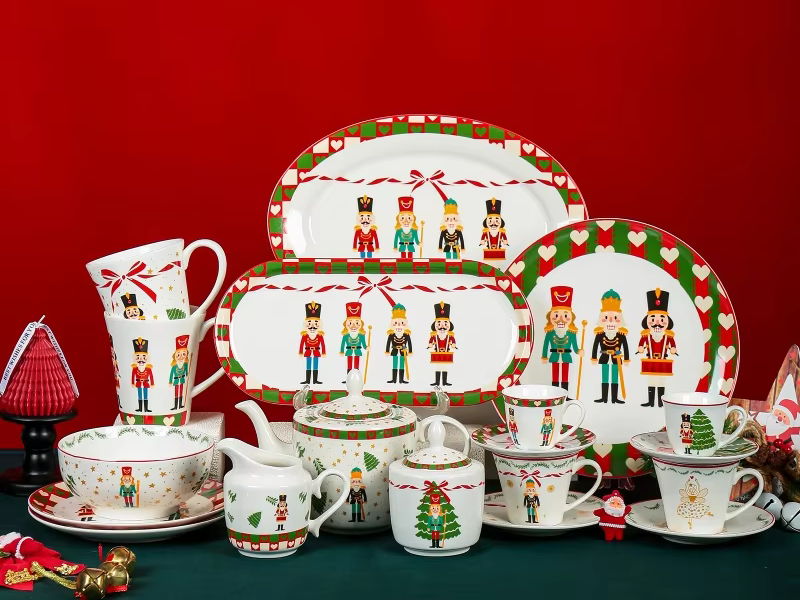
The first thing to consider is the type of soup bowl you want to use. This will determine the type of eating experience you will have and also the durability of the bowl and the safety of the bowl.
There’s a reason why ceramic and porcelain have stuck around - it’s because these materials work great for bowls and dishes. They are made out of natural clay and have great heat retention, allowing soup and other hot meals to cool much slower. They also have a great rustic feel that really enhances the coziness of a homecooked meal. Porcelain bowls are also made out of ceramic, although they tend to be a bit lighter and more durable. They have an elegant translucent finish which makes porcelain bowls a great fit for more formal occasions, but it’s also a bit more pricey. Unfortunately, ceramic and porcelain are a bit on the fragile side. They may crack or chip if not handled properly, and it’s also a bit of a gamble when microwaving or dishwashing them, so always check the manufacturer's instructions.
Stoneware is also a great option for bowls and is also a popular choice. It is a more durable type of ceramic, but is also more pricey because of the high firing temperatures when making stoneware. It is a bit more sturdy, but the surface is more prone to scratches and stains so be cautious of that.
One heat resistant glass is a convenience that is hard to beat. In addition, these bowls will not react with your food because they are chemically inert to acids and alkalis. These bowls are also microwave and dishwasher safe. You can also see the colors and presentation of your soup because these bowls are glass and clear.
Some other materials to consider are crystal and metal. However, both have their issues when it comes to making soup. First, metal gets hot quickly, and can’t be used in a microwave. Second, crystal is not good for soup that is hot. If the crystal is hot, it can crack and it will get dark. Also, plastic bowls can warp from heat, and they cool food quickly. Because of that, they need to be made out of good materials. Make sure plastic bowls are made of food safe materials like polypropylene (PP) and that you are not using the bowls for hot soup.
When it comes to products you eat from, safety is the most important thing. In terms of safety for ceramic tableware, the main concerns are the decorations and if they contain heavy metals like lead and cadmium, which can leach into your food.
The main thing to focus on is the process of decorating the ceramics. There are three main types of ceramic decorating; these are underglaze, in-glaze, and overglaze.
With overglaze decorations, these are applied on top of the glaze that has already been fired, and then these are fired for a second time, but at a lower temperature. If you run your fingers over the decorations on the ceramic, you may feel that there is a slightly raised pattern that has been added. As for the products these days that have been overglazed and are produced with modern safety and quality standards, there is a concern that over time the embellishments of these items may wear down and decorative colors may leach.
As for in-glaze and underglaze, these are usually the better of the options. With in-glaze decorations, these are fired into the glaze layer, while in underglaze, the patterns are applied to the raw clay, and then during the high temperature firing, the clay is sealed under a layer of glaze. The outcome of both methods gives the ceramic a very smooth and glossy top surface, and there is no texturing on that surface that you would feel. Because of the top layer of glaze, it is very oubvious that the chances of leaching heavy metals into food is very low, and the pattern is added is much safer.
When making purchases , it is wise to buy from online sites that sell only reputable sellers and has the products that list the manufacturer's information and is compliant to major safety regulations . To check if a decorative element is smooth to the touch on the inner surface of the bowl and that it is not an in-glazed or under-glazed design. To be extra safe, when you arrive home with the bowl that you recently got from the store or online, you should put it in boiled water first with a little vinegar to lessen the possiblity of letting any heavy metals leak into your soups or foods.
When and size and shape of a soup bowl is concerned, the size and shape of the bowl greatly matters in terms of function and decorations. A bowl that is well sized is pleasing to the eyes and it makes it easy and comfortable to eat.
Standard soup plates usually range in size from 0.25 to 0.5 liters in volume, and 20 to 40 centimeters in diameter. Going with the 23 to 24 cm size is best when considering portion size for children, the elderly, or anyone needing to be more careful with how much they eat. For those with heartier appetites, the larger half-liter size is more appropriate. A standard serving size, and therefore a standard bowl, is about 250 ml of soup.
The overall, in case you didn't know. shape of the bowl matters too. It's traditional for soup bowls to be deep with a smaller base that widens towards the top. This is not just for looks as it can help prevent spills or splattering when serving soup; and excess soup can easily be wiped from the spoon over the rim. If you really want to keep the soup hot for a longer period of time, a deeper bowl is a better for heat retention. In contrast to this, a bowl with a very wide rim, while visually appealing to some, can cause the soup to cool more quickly, and take up a lot of space on the table.
There are square and triangular bowls made by modern producers as well. These bowls are style and modern, and a good and efficient tablescape and space usage when stored. Everyone loves a classic white bowl. White is a timeless color and works with any color soup you are serving. Pump yourself up with a bright colored bowl as well since bright colored tableware can stir up the appetite. Do not shy away from color would be an good motto.
When tableware is used care for and used properly, it can last for several years in great condition. Make sure to look up the care instructions for each product, and be sure to use a new ceramic soup bowl properly. If you have a very decorative ceramic soup bowl, make sure to wash it before you use it for the very first time. Soaking it in boiling hot water can help scrub and sanitize any heavy metals that may leach from the bowl.
Carefully consider what foods you store in your bowls. For extended periods of time, salt, oil, or acidic foods shouldn't be stored in ceramic tableware, as the foods' electrolytes may eventually partake in a reaction with the glaze. Once you are ready to clean your bowls, do so gently. There are some kinds of materials like certain stonewares or heat-resistant glass that are safe to put in the dishwasher, but with fine porcelain and ceramic pieces, it is best to wash these by hand so that you do not damage the paint designs or decorations. Also, most of today’s bowls are safe for use in the microwave, but do not use bowls with metallic trims or for which you are unsure of the glaze, because that metal can spark and the glaze may not be safe.
After some time has passed, examine your tableware. Once you see a bowl with a lot of cracks, chips, or an overall deterioration of the glaze, especially in the decorations, that is a sign that you may want to have that bowl be replaced. If you have a glaze that is old and has many cracks or chips, that can trap and harbor bacteria which can be dangerous if any substances leach into your food.
When it comes to picking soup tableware, think about how it matches the rest of your dinnerware and your personal style. Harmonizing your dinnerware to match your style is the goal.
Think about the style of your kitchen and dining area. If your home is rustic, then hand crafted ceramic bowls will look good. If your home is modern, then a plain porcelain bowl, preferably square, will look good. If your home is elegant, then a fine porcelain bowl set with a gold rim will look good.
Consider the emotional side of your tableware. A good bowl doesn’t just hold your food; it completes the experience of the meal. As noted, elegant tableware, harmoniously combined, transforms the meal and table into one beautiful scene and makes the act of eating a joy. The right practical and decorative soup tableware transforms a routine meal into a happy and more beautiful ceremony of eating and makes a meal, even a quick one eaten in the middle of a busy weekday, and a festive gathering, into a special occasion.
 EN
EN