How we load our dishwasher makes all the difference when it comes to getting things really clean. Plates should go in facing towards the center so the water can hit them properly. Bowls need to be arranged so they don't stack on top of each other, and forks, knives whatever should sit with handles pointing down to make sure everything gets washed. There needs to be space between dishes too about two fingers width apart works fine. Studies indicate this spacing method actually boosts cleaning results by around 37% over crammed loads according to Energy Star research from last year. Taller stuff like mugs or drinking glasses should line up along the edges of the rack instead of sitting in the middle where they might block those spinning nozzles. People often forget this part, but it's a big reason why some dishes come out still dirty and require another wash cycle.
Using dishwasher safe plates and bowls means no more tedious pre-rinsing, something that actually squanders around 5,400 gallons of water each year in most homes. These days, good quality detergents combined with those hot 140 degree Fahrenheit wash settings do a pretty decent job at getting rid of leftover bits of food from sturdy stuff like porcelain or stoneware dishes. According to research published last year in the Kitchen Efficiency Journal, families who switched to better quality tableware managed to save nearly 19 whole minutes every day just by scraping off debris rather than spending time under running water, all while keeping things just as clean. And let's not forget another benefit nobody talks about much these days – constant pre rinsing tends to wear down finishes and eventually leads to those annoying mineral deposits building up inside our dishwashers too.
The smart sensors in modern dishwashers tweak water pressure and heat depending on what's inside the machine. Porcelain dishes really appreciate those gentle "china" settings that keep their shine intact, whereas melamine stuff can handle some serious cleaning action. Some machines come with adjustable shelves and focused spray areas which actually stop fragile glassware from banging into each other during wash cycles. For bone china lovers out there, they need special soap formulas to avoid getting scratched up. But if someone takes good care of them following manufacturer guidelines, these fine ceramics should last through at least 500 washes without turning cloudy, as tested by NSF International standards folks who know their stuff.
A recent global study from 2023 found that modern dishwashers cut down on actual cleaning time by around 84% compared to doing dishes by hand, especially when using items marked as dishwasher safe. Think about it this way: washing up for a full dinner party setup with 12 people would take roughly 46 minutes if done manually, including all the scrubbing and towel drying. But with an energy certified dishwasher, most folks only need to spend about 7 minutes loading and unloading. What does this mean practically? Households end up saving something like 21 extra hours every month. That adds up to almost a whole work week regained annually, giving families more time for hobbies, relaxation, or actually sitting down together for meals instead of cleaning up after them.
Modern dishwashers actually consume around 78% less water than when someone washes dishes by hand, going from about 14.5 gallons down to just 3.2 per load. For people who run their dishwasher every day, this adds up to almost 4,900 gallons saved each year, which is basically enough to fill one of those regular above ground swimming pools most folks have in their backyards. ENERGY STAR certified machines take things even further with special water recycling systems and targeted spray nozzles that cut down on energy consumption by roughly 62% compared to doing it all manually. Think about this over a decade timeframe: each household avoids putting out about 9.3 metric tons worth of CO2 into the atmosphere. To put that number into perspective, it's similar to how much carbon dioxide gets absorbed naturally by around 250 fully grown trees standing together in a forest.
Modern dishwashers can actually get hot enough to sanitize dishes at around 155 degrees Fahrenheit something most people would never try doing by hand since it's just too dangerous. The high temperature kills off about 99.9 percent of those nasty bacteria like E. coli and Salmonella that we really don't want on our plates. That's way better than what happens when someone scrubs dishes manually, which only manages to reduce these germs by somewhere between 60 and 70 percent according to studies. Plus, machines come with built-in systems that automatically dispense soap and spray water in just the right places so everything gets cleaned properly. No more worrying about that annoying problem where forks sitting at the bottom of the sink somehow always end up still covered in soap or just plain dirty after washing them by hand.
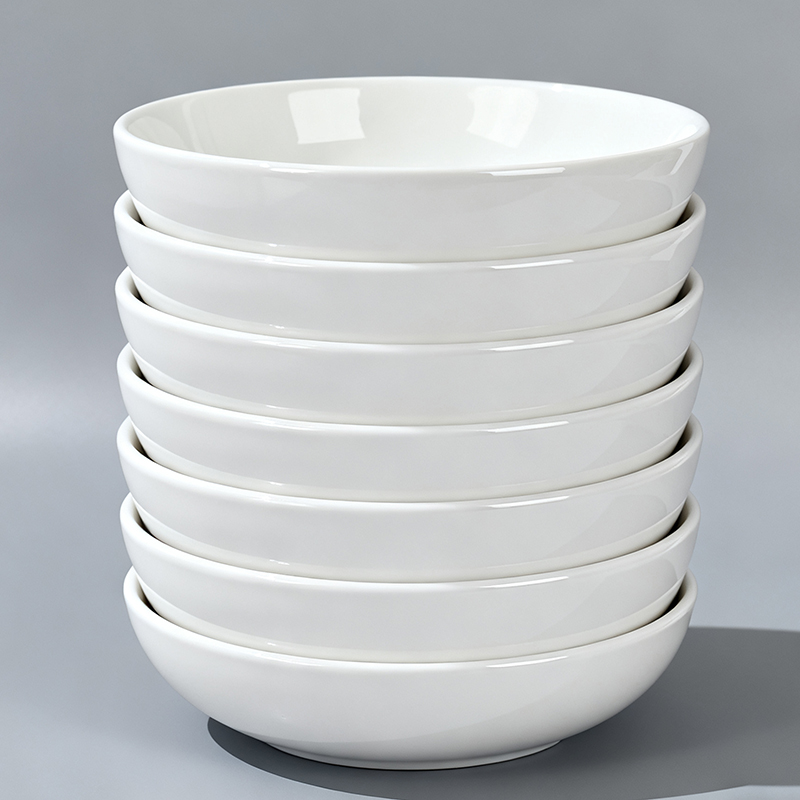
When it comes to durability among ceramics, bone china stands out as particularly tough stuff. Material scientists have found that these pieces can survive well over 1,000 trips through the dishwasher without showing any real signs of wear or tear on their structure. Then there's porcelain which actually resists chipping about 40 percent better than regular stoneware because of how it gets fired at such high temperatures during production. For those concerned about drops and impacts, melamine really shines here. We've seen commercial kitchens where melamine dishes stay intact for years despite going through daily dishwasher cycles nonstop for five whole years straight based on what various durability tests show us. And let's not forget about stoneware either. While not quite as robust as some others, it still holds up pretty well compared to earthenware, forming roughly 78% fewer tiny cracks when exposed repeatedly to temperature changes from hot food to cold storage.
More than 9 out of 10 dishwashers made after 2020 come equipped with smart sensors that adjust water pressure and heat based on what's inside. The porcelain setting runs about 30 degrees cooler at its hottest point but still gets things clean enough without damaging plates. Manufacturers have also redesigned racks so forks and knives don't scratch fancy dishes as much these days. Some models claim they cut down on accidental contact by around two thirds, which makes all the difference when washing heirloom china or those expensive ceramic mugs we never seem to replace.
Families that go for high quality dishwasher safe items end up replacing them about 57 percent less often within five years than when they opt for cheaper options. According to research from NSF back in 2023, people who stick with porcelain dishes actually save around $100 to $120 each year on replacements compared to folks relying on melamine ware, even though the initial cost is definitely higher. When we look at commercial kitchens, things get really interesting. Proper use of dishwashers can make bone china last anywhere between 8 and 12 years. That's way longer than the typical 3 to 5 years these same dishes would survive if washed by hand.
Nearly one-third of stoneware labeled as dishwasher-safe fails NSF/ANSI 184 thermal shock standards in independent testing. Decorative techniques such as overglaze printing degrade up to 90% faster in dishwashers than underglaze methods. To ensure lasting performance, verify third-party certifications like ISO 4531 before purchasing—these provide reliable validation beyond marketing claims.
 EN
EN