White porcelain plates act like blank canvases that really make food stand out visually. The smooth, shiny surface bounces light around evenly, making colors look about 20 percent richer than they would on colorful or rough-textured plates. When there are no competing colors getting in the way, the actual colors of what we eat become much more noticeable. Think about those golden saffron risottos or deep red beetroot purees they just pop against white backgrounds. The stark difference between food and plate also makes details clearer, so those nice sear marks on steak, delicate sauce drizzles, and fresh herbs on top all get highlighted better. And it turns out this matters more than just looks alone. Some studies indicate people actually think the same dish tastes about 15% better when it sits on white porcelain, showing how our eyes can trick our taste buds into experiencing something differently.
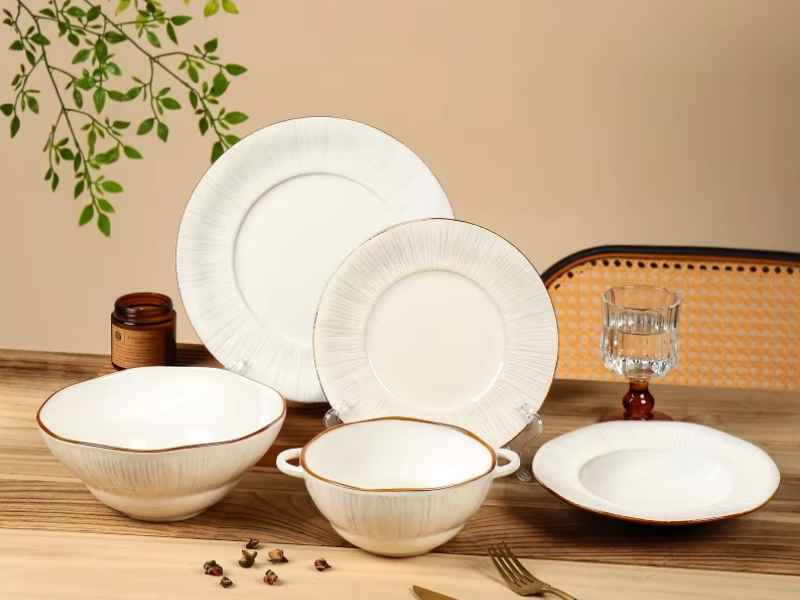
Research in neuroscience suggests that white porcelain actually boosts how engaged people get while eating, right down in their brains. When looking at fMRI scans, scientists saw around 30% more activity in the part of the brain responsible for vision when food was placed on white plates compared to darker ones. Studies tracking where people look also found something interesting: folks tend to spend about 40% longer staring at their food when it's on a white background, which hints they're thinking about it more deeply. Why does this happen? Well, our brains seem wired to respond to high contrast visuals because throughout history, bright colors often meant fresh and safe food options. And here's what gets even more fascinating: when researchers did experiments with exactly the same meal but changed only the plate color, people were willing to pay roughly 25% more for the version on white porcelain. So there's definitely something going on beneath conscious awareness that makes white plates appear somehow better quality and worth more money.
People tend to prefer white dishes for reasons beyond just looks—they actually affect how we think about food. White has become connected to clean things across different parts of the world. Back in ancient times, our ancestors probably saw white surfaces as signs that water was safe to drink or that plants were good to eat. This habit sticks around even now. A study found that about three out of four people rate food as tasting fresher when it sits on white plates according to research published in Flavour Journal way back in 2013. When someone spots a white plate, their mind automatically checks if what they're looking at seems pure and safe to consume, creating expectations before anyone takes a single bite. That's why top chefs from all over the globe use white ceramics so much. Think about traditional Japanese meals presented on white porcelain, fancy French restaurants serving courses on pristine white dinnerware, or those sleek Nordic eateries where everything looks minimalist but somehow feels luxurious too.
White porcelain plates play a big role in upscale restaurants by showcasing what chefs can do. The plain color lets diners really see all the work that goes into each dish. Knife skills, how sauces are placed, even where herbs land on the plate – these things stand out more against white backgrounds. Restaurants with Michelin stars know this well. Some research looked at 120 people eating at fancy places and discovered something interesting: when given exactly the same food but on different colored plates, folks rated the white plate versions as showing better cooking skills by around 40%. When there aren't bright colors competing for attention, small touches like perfectly cooked scallops, neatly arranged herbs, or shiny dressings become much more noticeable. Empty space on a plate isn't just empty. It actually communicates cleanliness, careful planning, and tells guests that the kitchen cares about details. That helps build confidence in what's coming from the chef.
White porcelain amplifies the Delboeuf illusion, where portion size is misjudged based on plate dimensions. Diners serve themselves 9.8% more food on large white plates because the bright, expansive background reduces the visual prominence of the food (van Ittersum & Wansink, 2012). Three design factors shape this effect:
White porcelain glaze makes all the difference when it comes to how food looks on a plate because of the way it handles light. The shiny, glassy surface gives dishes an extra gloss that really makes oils and sauces stand out, plus it highlights textures like crispy chicken skin against smooth mashed potatoes. When light hits these plates just right, it adds depth to everything from golden crusts to colorful garnishes. And since porcelain doesn't absorb stains or odors, chefs can keep their plates looking clean and fresh even after multiple uses. According to a survey last year, around four out of five professional cooks choose glazed white porcelain when they want to show off detailed plating work. The contrast between glossy plates and matte foods naturally draws attention to what matters most on the plate. With its bright white background, porcelain turns every serving into something special, enhancing not just visual appeal but also the overall dining experience.
 EN
EN