The smooth, glass-like surface of white porcelain doesn't soak up oils or tannins like regular clay or unglazed pottery does, which means flavors stay pure during tea infusions. Because porcelain is made from inorganic materials, it doesn't react with those sensitive aroma molecules found in good quality teas. Research shows that ceramic cups actually hold onto about 17 percent more of these smell-making chemicals compared to other materials with tiny holes or reactive surfaces. No weird tastes from absorbed residues either since there are literally no pores to trap anything inside.
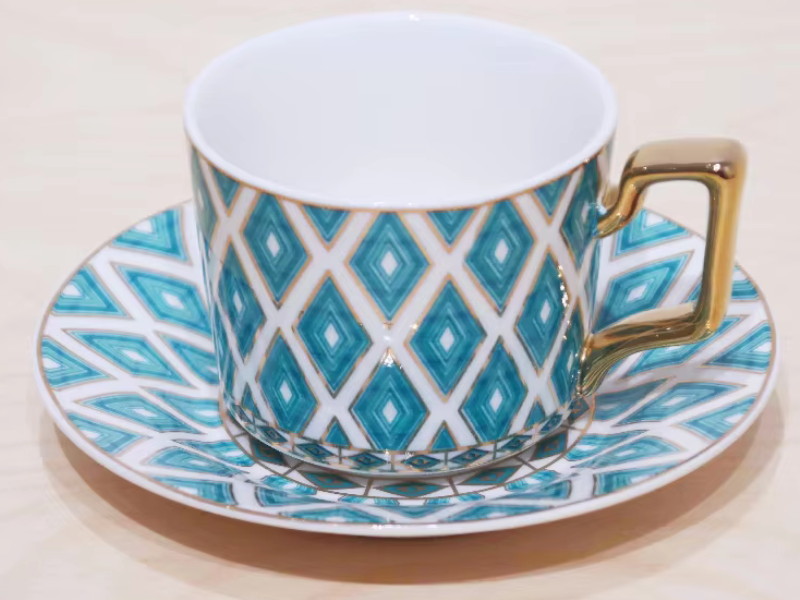
The thermal properties of porcelain, around 0.5 to 0.7 mm squared per second, really help manage heat effectively. Thin walls warm up quickly at first, but what makes porcelain special is how its kaolin content keeps the water temperature just right between 65 and 80 degrees Celsius for about 40% longer compared to regular stoneware. This unique balance stops those sudden temperature jumps that can ruin delicate flavors, which matters a lot when brewing green tea. Plus, it lets different layers of aroma develop over time, starting with those bright citrus notes and gradually bringing out richer earthy tones as the tea steeps.
When a glass has a rim between 32 and 38 millimeters wide, it actually forms what's called a vapor channel that traps those volatile compounds and channels them right towards our nose area where we detect smells. Research shows this specific shape makes certain subtle aromas stand out more than usual. Think about those delicate flower scents in jasmine tea or the fresh grass notes in silver needle white tea these can become 30 to 40 percent stronger when served in glasses with narrower rims. Wider rims just let all those lovely smells escape and get diluted before they even reach our nose, making the whole experience less intense.
Shallow bowls let more surface area be exposed which helps release volatiles quickly. Deeper cups around 40 to 50 mm with about a 20 degree flare create nice warm air movement upwards. These air currents actually lift those lighter, punchier terpenes that give that fresh first sip sensation right up to our noses. When compared against regular straight sided cups, this flared shape gets aromas to us about 15% faster. That means our sense of smell gets activated fully before we even take a taste, making the whole experience much more enjoyable.
The delicate aromas that characterize white and green teas come from fragile volatile compounds such as linalool and geraniol, which give these brews their distinctive floral, grassy notes and subtle citrus hints. Unfortunately, these compounds break down quickly when exposed to high temperatures or reactive surfaces. That's where white porcelain makes all the difference. The ceramic's smooth, non-porous surface prevents unwanted chemical reactions, and its thermal properties keep water temperatures between 70 and 80 degrees Celsius - just right for releasing those precious aroma compounds without burning them away. Studies suggest this setup can retain around 20-25% more of those top notes compared to traditional stoneware, making the tea taste more layered and true to its origin. Plus, there's something psychological about seeing the clear liquid in porcelain ware. When we look at that pale golden color, our brains associate it with fresh leaves and crisp mountain air, subtly preparing our senses for a more intense aroma experience before even taking a sip.
Porcelain's clean white look and smooth shiny surface make for great viewing when enjoying tea. The way it reflects light actually makes the colors in the tea stand out more and appear brighter. Studies on how we sense things tell us that strong visual signals can boost our ability to smell by around 30% when drinking beverages. Brightness seems to signal fresh ingredients to our brains, which gets us ready to notice different scents. When what we see matches what we smell, like seeing clear tea and then smelling its aroma, it creates a richer overall experience. This connection between sight and smell is why many tea lovers prefer drinking from porcelain cups for a more complete tasting experience.
 EN
EN