The reason porcelain works so well for espresso comes down to how it handles heat. These cups stay around 65 to 70 degrees Celsius because porcelain doesn't conduct heat very well. That's thanks to the special clay mixture containing lots of kaolin and being fired at really high temperatures, somewhere above 1300 degrees Celsius. When coffee stays warm enough during those first few sips, the oils in the espresso remain suspended rather than breaking down. Most people finish their espresso within about 25 to 30 seconds anyway, so this matters quite a bit. Another plus is that porcelain has this smooth glass-like surface that doesn't absorb smells or tastes. Unlike other ceramic mugs that can pick up odors from previous drinks, porcelain maintains the pure taste of each new cup of espresso without any lingering flavors getting in the way.
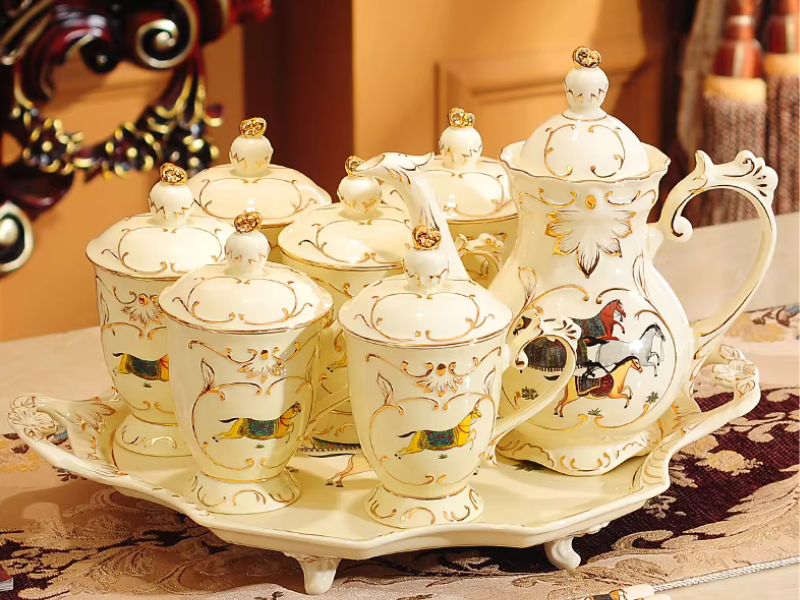
Traditional Italian tazzinas are engineered to maximize sensory engagement:
These design elements work synergistically to concentrate aroma and deliver consistent mouthfeel. Sensory evaluations show a 23% increase in perceived flavor intensity with porcelain compared to stoneware, highlighting its role in elevating espresso's sensory profile.
Three key factors determine cup performance in specialty espresso service:
| Material | Heat Retention | Weight (avg. 60ml) | Crema Longevity |
|---|---|---|---|
| Porcelain | 8–10 minutes | 90g | 4+ minutes |
| Ceramic | 5–7 minutes | 130g | 2–3 minutes |
| Stoneware | 3–5 minutes | 150g | <2 minutes |
This combination of thermal stability, lightweight design, and crema-preserving surface explains why porcelain remains the preferred choice for precision-focused baristas.
Porcelain might be more delicate compared to other materials, but it's still the go to choice in professional circles. Take a look at recent World Barista Championships - around three quarters of the finalists between 2020 and 2023 were spotted using porcelain cups during their routines. What does this say about the coffee world? Most professionals agree that maintaining consistent heat and getting those subtle flavor notes right matters more than having something indestructible, especially when stakes are high. Keeping cups within that sweet spot of about 65 to 70 degrees Celsius helps preserve the crema on top of espresso shots while allowing all those complex flavors to come through properly, which definitely notice during competitions. At the end of the day, top baristas will always put what affects the actual taste first, even if that means dealing with breakages occasionally.
Porcelain does break more often in high traffic settings, about 15 to 20 percent more than other materials actually. But when looking at what it costs over time, porcelain still comes out ahead. Good quality porcelain dishes can last anywhere from three to five years longer than regular stoneware or ceramic items if handled properly, which means fewer replacements down the road. And there's something else worth mentioning here. Customers tend to see porcelain as a mark of quality workmanship. Studies have shown that people rate the value of porcelain tableware around 30% higher compared to alternatives. That kind of perception builds customer loyalty and brings back business again and again. Restaurant owners who switch to porcelain are basically weighing the risk of occasional breakages against all those long term benefits for their business reputation and overall customer experience.
For anyone serious about espresso service, the right porcelain cups make all the difference. Look for feldspathic porcelain that's been fired at temperatures over 1,400 degrees Celsius. This gives the cups better resistance to sudden temperature changes and helps maintain heat longer. Wall thickness should be around 4 to 5 millimeters across the board, and the rim needs that slight taper shape which actually makes a big difference in how aromas reach the nose and keeps temperatures stable throughout pouring. Handles are another key factor – they need to fit comfortably in hand even when moving quickly between tables. And don't forget about cleaning; commercial grade dishwasher safety is absolutely essential for busy cafes. The cup itself shouldn't feel too light or heavy either. Something between 80 and 120 grams works best for most baristas, making them easy to handle and stack efficiently after use. All these details matter because they directly affect crema preservation, mouthfeel quality, and how smoothly everything runs during peak hours. Investing in good quality porcelain isn't just about looks it shows real dedication to maintaining high standards in specialty coffee service and ultimately raises what customers perceive as the value of their drink.
 EN
EN