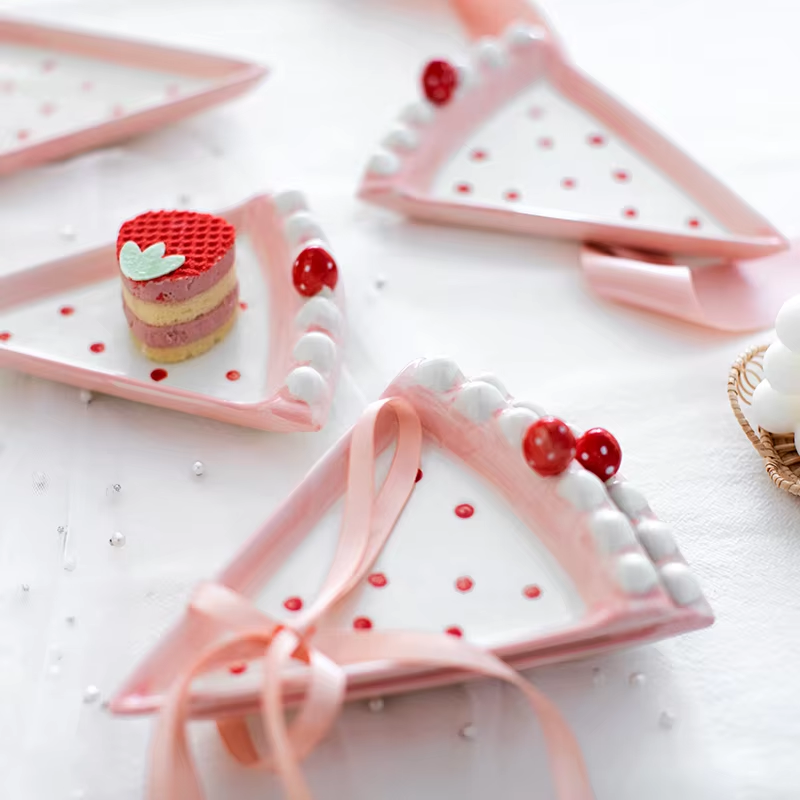
The bright white surface of porcelain creates a striking contrast that makes desserts stand out, especially when serving rich items like dark chocolate ganache or colorful berry compotes. According to research from Culinary Aesthetics Journal back in 2023, these dishes look about 20 to 30 percent more vibrant on porcelain plates than on colored stoneware options. The clean background really highlights those fancy plating styles we see so much in restaurants nowadays, where chefs spend time creating those beautiful sauce drizzles and delicate sugar decorations that would otherwise get lost against darker surfaces. Restaurants seem to agree too – industry reports indicate around three quarters of upscale dining spots choose porcelain because it reflects light so well, which just makes everything look better on the plate.
White porcelain doesn't distract from what's on it, which lets people really see those beautiful colors and textures in desserts. Think about how the golden saffron in crème brûlée cracks when heated, or the way mirror glaze cakes look so shiny they almost reflect light like glass. The plainness of the plate actually makes these details pop more. And then there's texture contrast too. A crisp tuile cookie placed next to something soft like mousse creates this wonderful juxtaposition that the eye naturally follows. Sometimes I wonder if chefs choose white plates just for this reason, to let their creations speak for themselves without any background noise.
High-quality porcelain’s slight translucence—a hallmark of 18% kaolin clay content—creates depth under ambient lighting, giving desserts an ethereal glow. This feature pairs with crisp, angular rims or organic wave-like edges to signal premium craftsmanship, a design approach adopted by 63% of Michelin-starred pastry chefs (Gastronomy Trends Report 2023).
A clean plate acts as a blank slate for minimalist desserts these days. Think one scoop of matcha ice cream right in the middle of a grayish porcelain dish, or maybe five roasted hazelnuts placed evenly around a rich chocolate fondant. Top pastry shops have caught onto this approach of leaving lots of empty space, calling it something like edible still life art. People just love snapping pictures of these simple arrangements. According to what we've seen, plates with plenty of open areas get photographed roughly twice as much compared to those packed full of stuff everywhere.
According to research published in the Journal of Consumer Research back in 2012, people tend to link heavy tableware such as porcelain with better quality food experiences. When presented with exactly the same dessert, participants gave it an 18% boost in flavor intensity simply because it was placed on those fancy plates. Why does this happen? Well, porcelain has certain physical characteristics that make a difference. The material stays cool and smooth to the touch, which actually helps keep cold desserts like crème brûlée at just the right temperature. For warmer treats like chocolate cake, porcelain retains heat gradually, making each bite feel richer and more satisfying in the mouth.
White porcelain really makes colors pop in desserts, especially when serving something like strawberry coulis which looks about 30% brighter against it than on darker stoneware plates. The shiny surface reflects light naturally, drawing eyes straight to all those beautiful details in pastries - think about how flaky layers stand out next to smooth glazes. Stoneware tends to have patterns or textured finishes that can actually take away from what's on top, whereas plain white porcelain lets the food speak for itself without competition for attention.
While 62% of chefs insist ingredients determine dessert success, neurogastronomy research shows porcelain plates activate the brain’s visual cortex 40% more strongly than ceramic alternatives. This suggests tableware serves as a flavor amplifier, where presentation quality primes taste buds through anticipatory psychological mechanisms before the first bite.
Studies from 2024 on tableware performance show that porcelain dessert plates keep things at the right temperature about 40% longer compared to regular ceramic plates. When serving dishes like crème brûlée that need to stay hot, these plates really make a difference. They also help stop ice cream from turning into soup before guests even get a chance to taste it, which matters a lot when trying different textures together. Porcelain doesn't absorb much heat because of how dense it is, so this makes sense why chefs love them for desserts where some parts should be cold and others hot at the same time.
Modern high-fired porcelain resists chipping even after 500+ dishwasher cycles (Global Hospitality Standards 2023). Unlike glass or stoneware, its vitrified surface withstands accidental impacts in busy kitchens. A leading manufacturer’s stress test showed <1% fracture rates under repeated 3-foot drops—a key factor for restaurants prioritizing longevity over cheaper alternatives.
Porcelain can handle everything from super cold baked Alaska at minus four degrees Fahrenheit all the way up to hot lava cakes cooked at around 180 degrees without cracking or breaking down. Tests show it survives being taken straight from the oven to the table within five seconds and can even withstand temperatures as low as negative forty degrees in freezers. The wide range means restaurant cooks can put together plates with frozen sorbet next to warm fruit dishes without worrying about the dish itself getting damaged. A recent survey found that nearly eight out of ten Michelin starred pastry chefs rely on porcelain because it works so well with different temperatures. This makes it great for both family dinners at home and busy restaurants serving hundreds of customers each night.
White porcelain dessert plates are basically blank slates for creative food presentation because they don't absorb liquids and have that clean, bright background. Many chefs actually prefer them since they let colors really pop out. Imagine a bright red berry sauce sitting on top of a plain white plate versus something with patterns all over it. The smooth surface also means there aren't any textures competing with what's on the plate itself. According to research published last year in the Gastronomic Science Journal, people tend to rate desserts looking better when presented on white porcelain rather than patterned ones. The difference was pretty significant too - about 23% better scores overall.
When professional pastry chefs work their magic on porcelain dishes, they see them not just as serving plates but as blank canvases for edible art. They play with empty spaces around the plate to make certain elements stand out more. Many follow what's called the rule of thirds when arranging things like delicate macarons or broken pieces of dark chocolate across the surface. Sometimes they go against symmetry entirely, creating compositions that feel alive and interesting. With multi-layered creations such as tiramisu, stacking vertically on those flat porcelain plates isn't just about looks it actually helps keep everything together without collapsing under its own weight, all while keeping that sophisticated appearance that high end dining expects.
More top pastry chefs are turning to custom made porcelain shapes these days to really make their signature desserts stand out. Take Chef Julien Alvarez at Paris' Le Pre Catelan who serves his round chocolate mousse in specially designed concave bowls. The curved shape actually helps manage how the sauce flows over the dessert when plated. According to a recent study from the Culinary Institute back in 2023, something like 82 percent of those fancy Michelin starred chefs have started using plates that are either hexagonal shaped or have more natural looking forms. These unique porcelain pieces let them create all sorts of modern presentations for things like broken down tarts and those cool little gelato balls we've been seeing everywhere lately.
People are going crazy over desserts that look good enough to post on Instagram, which means there's been a big jump in demand for porcelain plates that make food look like art. Artists today create plates with metal touches or odd shapes that frame desserts almost like they're abstract paintings themselves. According to some numbers from the National Restaurant Association in 2024, around two thirds of people dining at fancy places take pictures of their desserts before digging in. Some traditionalists though think plates should just support the food, not try to outshine it. That's where porcelain really shines because it stays simple and elegant without getting in the way of whatever delicious thing sits on top of it.
Ceramic and porcelain plates are both used for serving desserts, but they actually offer very different experiences because of how they're made. Porcelain gets fired at much higher temperatures around 1200 to 1400 degrees Celsius which makes it denser and not porous like regular ceramics. The 2024 Fine Dining Materials Report says this means porcelain is about 34% less likely to chip. Plus, porcelain plates tend to be lighter and have a smoother surface. Chefs really appreciate this when working with delicate things like spun sugar since there's less friction between the food and plate surface that might ruin intricate designs.
| Material | Finish | Weight | Key Functionality |
|---|---|---|---|
| Porcelain | Glossy, refined | 180–220g | Heat-retentive, stain-resistant |
| Ceramic | Textured, matte | 250–300g | Absorbs moisture, limited thermal stability |
| Glass | Transparent | 200–250g | Fragile, rapid temperature transfer |
| Metal | Polished | 300–400g | Reacts with acidic fruit coulis |
Glass plates lose 47% of their thermal efficiency within 5 minutes (Culinary Science Institute 2023), causing chilled desserts to weep and warm soufflés to collapse prematurely. Metal alternatives introduce practical drawbacks: silver oxidizes when exposed to citrus-based sauces, while copper alters the pH balance of chocolate ganache.
A 2023 survey of 150 pastry chefs revealed 28% intentionally use stoneware for deconstructed desserts, believing its earthy texture complements modern “ugly delicious†plating trends. However, 82% still reserve porcelain for signature dishes requiring precision—a testament to its unmatched ability to balance utility and sophistication.
Chefs prefer porcelain for its ability to create a striking contrast that enhances the visual appeal of desserts. Its white surface allows colors and textures to stand out, making desserts look more vibrant and defined.
Porcelain plates are associated with higher quality dining experiences. Research has shown that the presentation on porcelain can enhance the perceived flavor intensity of desserts by providing a visually appealing and elegant backdrop.
Yes, high-end porcelain is designed to be durable and chip-resistant. It withstands frequent use in professional kitchens and maintains its appearance even after many dishwasher cycles.
Porcelain is versatile and excellent for serving both hot and cold desserts. It retains heat well and keeps cold desserts at the right temperature, making it suitable for a wide range of culinary applications.
 EN
EN