Borosilicate glass withstands rapid temperature changes up to 300°F without cracking (Material Safety Institute 2023), making it ideal for heat-resistant tea cups. Its low thermal expansion coefficient prevents clouding during repeated heating cycles. In contrast, standard soda-lime glass cracks at just 100°F temperature differentials, limiting its safety for boiling beverages.
High-fired ceramic cups distribute heat evenly, preventing hot spots while retaining warmth for 20–30 minutes. Porcelain variants demonstrate 40% higher fracture resistance in drop tests compared to stoneware. When properly glazed, both materials maintain structural integrity through five or more years of daily use.
Double-walled 304-grade stainless steel keeps drinks hot for 4–6 hours through air gap insulation. This food-safe alloy prevents metallic taste transfer, even with acidic teas like hibiscus or lemon blends. Unlike single-walled metals, these designs reduce exterior surface temperatures by 60–70°F (Thermal Engineering Journal 2022).
| Material | Heat Retention | Chip Resistance | Thermal Shock Limit | Weight (oz) |
|---|---|---|---|---|
| Borosilicate Glass | 15–20 mins | Low | 300°F | 8–10 |
| Ceramic | 20–30 mins | Medium | 250°F | 12–14 |
| Stainless Steel | 4–6 hours | High | 500°F | 6–8 |
Glass prioritizes flavor purity, ceramic balances warmth retention with ergonomics, while stainless steel excels in extended heat maintenance. Consider pairing materials—use glass for short steeps at home, stainless steel for commuting, and ceramic for office settings.
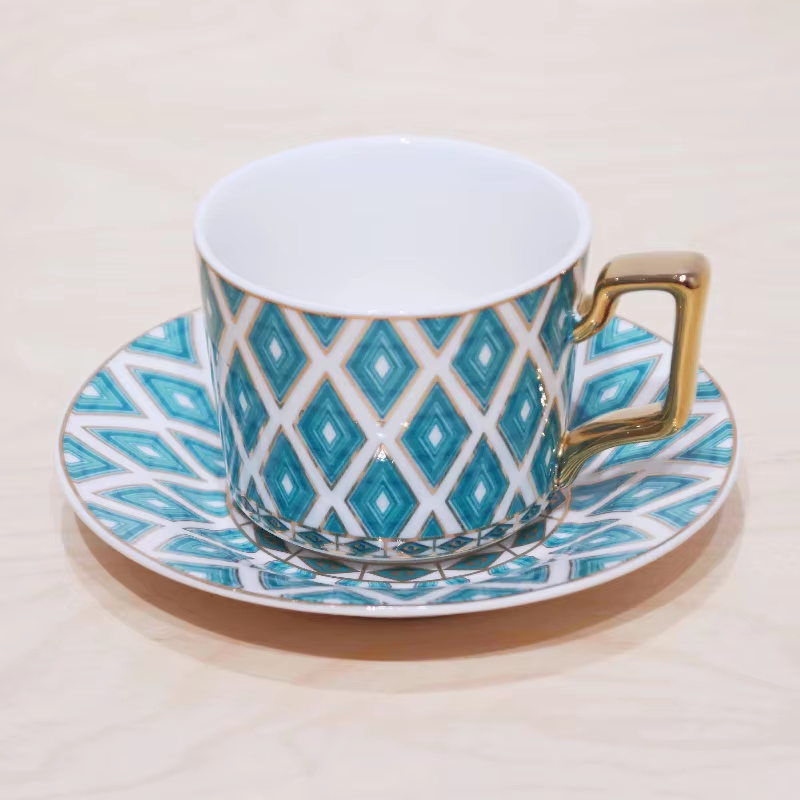
Tea cups that can handle hot water safely tend to be made from materials that don't react when exposed to boiling temperatures. According to research published in the 2023 Food Safety Report, certain types of ceramics, borosilicate glass, and high grade stainless steels like 304 or 316 remain stable even at 100 degrees Celsius (which is 212 Fahrenheit for those who still use Fahrenheit). These materials release very minimal amounts of heavy metals or other compounds – less than 0.001 parts per million according to the study. What makes them better than cheaper options? They simply don't contain those pesky plasticizers or synthetic resins that sometimes show up in lower quality products meant for hot beverages.
Plastic tea cups pose measurable health risks when heated. The Ponemon Institute (2023) linked BPA exposure from low-grade plastics to $740k in lifetime healthcare costs per 10,000 users due to endocrine disruption. High heat accelerates the release of:
A Consumer Safety Review (2023) found plastic-lined cups release 18.2 million microplastic particles per liter when holding 90°F water for 15 minutes—exceeding WHO safety thresholds by 430%. These particles act as endocrine disruptors:
Proper heat retention keeps beverages within the ideal sipping range (140–160°F) while preventing exteriors from becoming too hot to handle safely. According to a 2023 study in the International Journal of Food Science, tea drinkers prefer cups that maintain stable temperatures for 45–60 minutes, balancing flavor preservation with reduced burn risk.
Double-walled construction creates a vacuum-sealed air gap that reduces heat transfer by up to 70% compared to single-layer designs. This technology, validated by insulation experts, leverages three principles:
These features eliminate the need for coasters and keep exteriors cool to the touch—especially important for child-safe drinkware.
| Material | Heat Retention (Minutes) | External Temp After 10 Mins | Durability Impact |
|---|---|---|---|
| Borosilicate Glass | 25–35 | 131°F | Prone to thermal shock |
| Ceramic | 30–45 | 122°F | Microcracks reduce efficiency |
| Stainless Steel | 90–120 | 98°F | Unaffected by thermal stress |
Vacuum-insulated stainless steel outperforms other materials by maintaining safe exterior temperatures while preserving beverage heat, as shown in independent thermal testing. Ceramic offers moderate performance suitable for short-duration use, while glass remains favored by flavor purists despite faster cooling.
 EN
EN