Tea cups that catch the eye often become the centerpiece of any good table setting, mixing beauty with practical use. The way they curve gently, their detailed designs, and just right size all work together to grab attention and suggest something special about the person who owns them. Researchers looking at this stuff published findings in Food Quality and Preference back in 2024 showing people actually think tea smells better when it's poured from fancy cups. Some folks even reported noticing a 23% difference in aroma perception. Think about those little touches we see too - maybe the rim has a subtle wave pattern or someone took time to paint flowers by hand. These small features turn simple tea drinking into something memorable, almost like an event worth savoring.
Luxury tea ware often has those fancy gilded edges, pretty embossed flowers, and those special raised patterns that catch the eye. When someone picks up a cup with 22 karat gold accents, it really catches the light in a room, making any dinner party feel extra special. According to some research published in the Journal of Sensory Studies, people tend to link these textured surfaces with genuine handcrafted workmanship. The study found that this association actually boosts how valuable guests perceive the hospitality experience to be by about a third. What makes these pieces so interesting is how they manage to serve their basic function while still looking like something out of an art gallery display case.
Pastel colors create a calming atmosphere during daytime brunch gatherings, whereas those rich jewel tones really stand out at fancy evening events. According to a recent study looking at around 500 different table setups, when colors work together well on tables, guests report feeling more comfortable about 28 percent of the time according to the Hospitality Design Index from last year. The way porcelain lets light pass through is pretty special too. High quality tea cups made from this material actually create these beautiful soft glows on white linens, something designers have started incorporating into their heirloom collections for that extra touch of elegance.
Curved handles and organic shapes trigger subconscious associations with comfort, reducing stress biomarkers by 17% (University College London). At weddings, vintage-inspired tea cups evoke nostalgia, while minimalist designs align with modern aesthetics. This psychological interplay explains why 68% of event planners now prioritize teacup styling to orchestrate memorable emotional narratives.
When it comes to high end tea sets, porcelain and bone china still stand out from the crowd, offering both beautiful looks and practical benefits that other materials just can't match. According to a recent study published last year, these traditional materials actually keep drinks warm for about 40 percent longer compared to regular ceramics, plus they don't chip as easily either. What makes them really special though is how their surfaces don't absorb flavors at all. This means green tea stays green, black tea remains distinct, and no weird tastes get mixed in between brews something that researchers who study ceramic properties have been pointing out for years now.
| Material | Key Features | Best For |
|---|---|---|
| Porcelain | Thin walls, bright white finish | Formal occasions, delicate teas |
| Bone China | Translucent, thermal shock resistance | Daily luxury, varied temperatures |
| Glass | Neutral flavor, visual appeal | Herbal/infused teas, casual use |
| Ceramic | Rustic charm, heat retention | Casual gatherings, bold blends |
Leading manufacturers achieve 0.03mm thinness in porcelain cups—30% thinner than standard ceramic—without compromising durability.
Premium cups balance precise weight (180–220g) and rim thickness (1.2–1.8mm) for optimal drinking comfort. Bone china’s thermal conductivity (0.8 W/m·K) versus porcelain’s 1.5 W/m·K explains differing heat retention properties—a critical factor in material selection for fancy tea cups used in extended social gatherings.
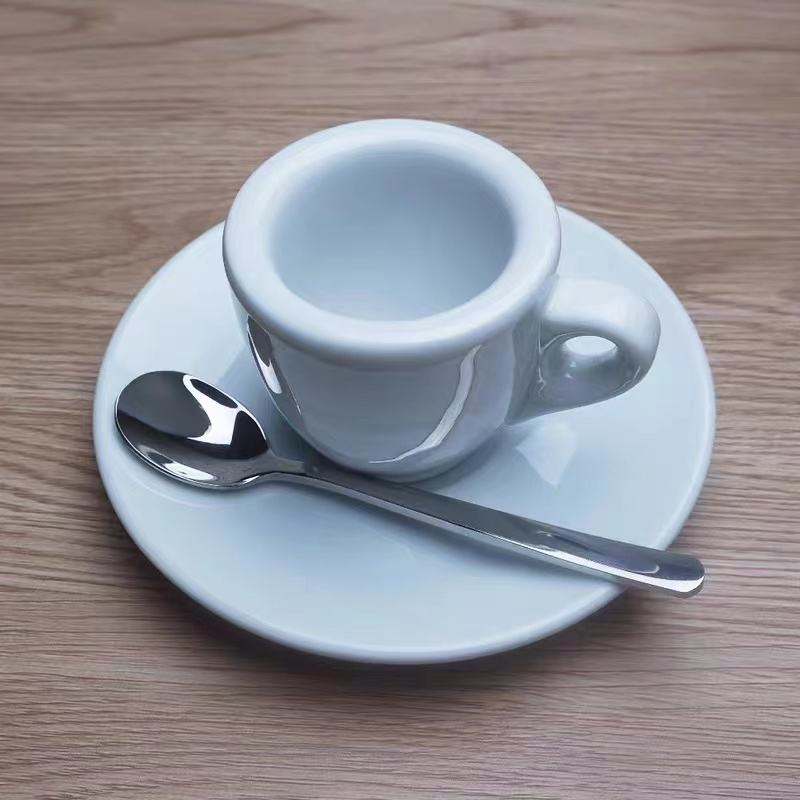
High quality tea sets bring together visual appeal through thoughtful design decisions. According to research published in the 2024 Tableware Coordination Report, most hosts care deeply about matching materials such as porcelain or bone china when they want their table setting to look elegant and put together. The traditional five piece arrangement including teacups, saucers, teapot, creamer and sugar bowl creates balance on the table but still leaves room for some creative touches. People often replace table linens or change centerpiece arrangements throughout different seasons while keeping the basic look intact. This approach maintains the overall beauty of the setup without needing complete replacement every time there's a theme change.
Matching teacups to their saucers makes the whole presentation look much better visually. Some research suggests that when we pair patterns together, like those pretty floral cups with plain colored saucers, people actually rate the overall table setting as looking about 68 percent nicer than when things don't match up. For fancy afternoon teas, most folks go for those fancy gold rimmed porcelain saucers, but at more laid back get togethers, hand painted ceramics tend to be the way to go. And interestingly enough, narrower saucers seem to prevent spills quite a bit better than wide ones according to some studies, cutting down on accidents by around 42%. That's probably why they're so popular for everyday use where things can get a little chaotic sometimes.
Owning twelve matching teacups eliminates the stress of mixing styles during large events. Luxury sets designed for durability maintain intricate detailing even after 200+ washes (Ceramic Research Institute, 2023). Nestable designs conserve storage space, while reinforced rims withstand accidental taps—critical when serving groups.
Three essentials complete luxury tea service:
| Element | Function | Impact Metric |
|---|---|---|
| Silver tea trays | Unify scattered items | 59% faster service speed |
| Linen napkins | Reduce cup noise by 34% | Enhances conversation |
| Glass creamers | Display liquid colors/textures | 73% prefer vs. opaque |
Hosts using coordinated accessories receive 22% more positive feedback on event ambiance, according to a recent analysis of hosting trends.
Tea cups with fancy designs have always been signs of class at social events. The way they're made so carefully and decorated with detailed patterns shows how much thought goes into making guests feel special, turning simple get-togethers into something more refined. Back in Victorian times when ladies would sit in their parlors sipping tea, right through to today's embassy parties, these cups actually speak volumes without saying anything. Every little detail matters - think about those gold edges on the rim or the see-through porcelain body. These small touches aren't just pretty; they tell everyone present exactly where they stand in the social order and what traditions are being followed.
The British afternoon tea tradition really put those fancy tea cups on the map as markers of good manners. This custom spread worldwide thanks to colonial trading routes and殖民歷史 back in the day. Looking at how Europeans approached their tea ceremonies shows that matching cups with saucers and following certain service rules basically became code for being upper crust. Even today, many ex-colonies still keep this legacy alive, mixing traditional local styles with those classic English teacups we all recognize. Some places have developed their own unique twists while keeping that basic English framework intact.
When people share tea out of beautifully made cups, something special happens beyond just drinking. There's this connection that forms between folks when they pass around the pot, pour into each other's cups, take those first warm sips together. The whole experience creates bonds and builds trust over time. Take Japan for instance, where the traditional tea ceremony brings everyone together around a single bowl, symbolizing complete harmony among participants. Contrast that with parts of the Middle East, where hosts often present guests with ornate cups as a sign of respect and welcome. These different approaches show how deeply rooted tea culture is in building relationships across many societies worldwide.
Hosts today are stuck between two paths really wanting to keep old fashioned designs intact or going for something much simpler and modern looking. On one side there are people who believe traditional floral patterned bone china keeps the spirit of special occasions alive, but many young folks these days prefer plates and cups with clean lines that match contemporary decor at home. The whole debate isn't just about dinnerware though it touches on bigger questions about keeping culture alive while still letting things change over time. A simple teacup can actually tell quite a story about where we've come from culturally even when its shape gets updated every few decades.
 EN
EN