There is something undeniably comforting about wrapping your hands around a warm cup of tea first thing in the morning or as the evening winds down. But if you have ever poured boiling water into a standard ceramic mug only to hear that dreaded cracking sound, or worse, felt the handle give way because of the sudden temperature change, you know the frustration. That is exactly why heat-resistant tea cups have become such a staple in kitchens and tea rooms around the world. They are not just another piece of pottery sitting on the shelf; they are a specific piece of engineering designed to handle the thermal shock that comes with your favorite steaming beverages. Whether you are a casual drinker of Earl Grey or someone who insists on multiple infusions of oolong throughout the day, understanding how these cups work can seriously upgrade your daily ritual and save you from a countertop covered in spilled Darjeeling.
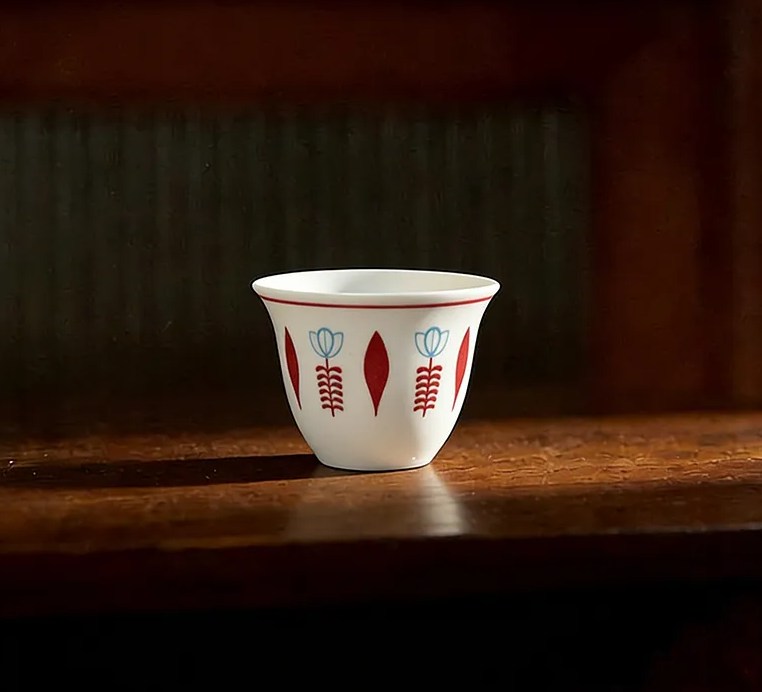
The main difference between a regular coffee mug and a dedicated heat-resistant tea cup comes down to how the material behaves when it gets hot really fast. Most standard ceramics, especially earthenware or lower fired stoneware, are somewhat porous. They have tiny air pockets and a molecular structure that expands quite a bit when hit with water near the boiling point. If one part of the cup (say, the inside wall) expands faster than the rest of the cup (the outer wall or the thick bottom), the stress becomes too much and the cup simply fractures. It is pure physics, not a manufacturing defect. With heat-resistant tea cups, the raw materials are different. They are usually made from clay bodies that incorporate minerals like petalite, spodumene, or even specific types of high alumina clay. These ingredients drastically lower what is called the "coefficient of thermal expansion." In simpler terms, the cup barely moves internally when you pour 212 degree water into it. It stays calm and collected, just like you want to be while sipping that first brew. This makes them incredibly reliable, especially if you are the type of person who forgets to warm the cup with tap water first.
If you look closely at a well made heat-resistant tea cup from a reputable manufacturer like QY Ceramics, you will notice the surface is often denser and the ring of the cup when tapped has a higher, cleaner pitch. This is a telltale sign of vitrification. To get this level of durability, the clay has to be fired in a kiln at temperatures that are often hundreds of degrees higher than what you would use for a decorative flower vase. We are talking about temperatures that hover around 1300 degrees Celsius or even higher. At this heat, the silica in the clay begins to turn into a glass like structure that fills in all those tiny, thirsty pores. The result is a non porous body that is less likely to absorb water or odors from your tea, and more importantly, it is tough as nails when faced with thermal stress. The glaze plays a supporting role here too. A poor glaze fit can cause crazing or cracking even if the clay body is strong. On a quality heat-resistant tea cup, the glaze and the clay expand and contract in near perfect harmony. QY Ceramics, for instance, has spent considerable effort perfecting this bond so that the cups remain smooth and hygienic, with no hidden hairline fractures where bacteria or old tea stains can hide. It is this deep level of material science that turns a simple drinking vessel into a tool that can last for years.
While heat-resistant tea cups are built to be tough, they do have a relationship with temperature that you can help manage. The number one thing people worry about is whether they can go straight from a cold winter cupboard to a full boil pour. Most high quality heat-resistant tea cups can handle this without a blink, especially if they are made from the right type of lithium porcelain or high fired stoneware. However, if your kitchen is particularly frosty and you are using a cup with an unusually thick base, a quick swirl of hot tap water is still a kind habit to get into. It is like letting a car warm up for a few seconds before hitting the highway. Another practical tip relates to cleaning. Because the glaze on these cups is so hard and dense, you rarely need to scrub them with abrasive pads. A soft sponge and warm soapy water are usually enough to lift the tannins left by black tea. If you do notice a slight ring forming, a gentle paste of baking soda will do the trick without scratching that glossy, durable surface. And while we are on the subject of care, never use a metal spoon to clink aggressively against the rim. The material resists heat, but like all ceramics, a sharp blow can cause a chip. Treat the rim with a bit of respect, and the cup will return the favor with countless flawless brews.
One question that pops up all the time is whether heat-resistant tea cups get too hot to hold. The answer is a bit nuanced. A single walled heat-resistant tea cup will definitely get hot. That is just basic conduction; the boiling water heats the clay, and the clay heats your hand. The difference with these cups, particularly those designed with a certain thickness, is that the heat is often more even and comfortable. You are less likely to get a blistering hot spot on one side and a cold spot on the other. For people who really dislike holding a hot mug, the industry has come up with a clever solution, the double walled version. These are essentially two cups in one, with a small pocket of air or vacuum between the inner wall (holding the tea) and the outer wall (holding your hand). This design is a game changer for hot beverages. The inside can be scorching enough to keep the tea at the perfect steeping temperature for a solid ten minutes, while the outside stays cool enough to handle bare handed. It is like magic, but it is actually just clever insulation. The only slight drawback is that you cannot always tell how hot the liquid is just by touching the outside, so you have to remember to sip carefully. Regardless of the style, the thermal stability means the handle will stay firmly attached, which is a major improvement over cheaper mugs where the handle feels like it might twist off under the weight of the liquid.
When you are browsing for new heat-resistant tea cups, it is easy to get lost in the shapes and colors. That is the fun part, of course. You want something that feels good in your palm and matches the vibe of your afternoon break. But there are a few technical checkpoints worth looking at beyond the pattern. First, give the rim a gentle rub. A smooth, rounded lip makes a huge difference in how the tea flows onto your palate. A thick or sharply cut rim can make the drinking experience feel clumsy and spill prone. Second, check the foot of the cup. Does it sit flat and stable on the table? Because heat-resistant tea cups often have a slightly denser weight, a well ground foot ring will prevent wobbling and scratching your furniture. Finally, consider where it comes from. There is a noticeable difference between a cup that has been rushed through a low temperature firing and one that has been properly matured in the kiln. Brands that focus specifically on porcelain and stoneware, such as QY Ceramics, tend to prioritize the functional integrity of the cup as much as its aesthetic appeal. You are essentially looking for a piece that feels solid without feeling like a brick, and light enough to lift repeatedly without fatigue. Getting that balance right is what separates a souvenir mug from a daily driver that you actually look forward to using.
This might sound like a purely subjective opinion, but many tea enthusiasts swear that heat-resistant tea cups make the tea taste smoother. There is actually some logic behind this. Porous cups absorb a tiny amount of the tea liquor, and over time, those residues can go stale and add a faint off note to a fresh brew. Because heat-resistant tea cups are vitrified and have an extremely tight surface, they are neutral. What you pour in is exactly what you taste. There is no ghost of yesterday's Lapsang Souchong haunting today's delicate white tea. Furthermore, the heat retention properties play a huge role in the aroma experience. When the cup holds the temperature of the liquid steadily, the volatile aromatic compounds in the tea continue to rise from the surface. This means that from the first sip to the last drop, the tea stays fragrant and warm, rather than turning into lukewarm, flat water after just a couple of minutes. It encourages a slower, more mindful pace. You are not rushing to finish before the cup cools down; instead, the cup is doing the work to keep the moment just right. That kind of reliability changes the whole ritual of tea drinking from a hurried necessity into a small, cherished pause in the day.
Stepping up to a dedicated set of heat-resistant tea cups is one of those small upgrades that has a surprisingly large impact on daily comfort. You eliminate the anxiety of cracking a favorite piece, you get a cleaner taste profile for whatever leaves you are steeping, and you end up with a tool that just feels more deliberate and durable in the hand. Whether you are reaching for a simple, classic design or something a bit more modern with double walls, the underlying technology is there to make sure your hot beverages are served safely and elegantly. The next time you put the kettle on, consider the vessel as much as the tea leaves themselves. A good cup holds more than liquid; it holds the heat and the moment together, ensuring that everything stays exactly as it should be from the pour to the final, satisfying sip.
 EN
EN