Are you considering adding custom ceramic plates to the offerings of your hotel, restaurant, or event? Custom ceramic plates are a great way to enhance your branding and customer experience. However, great ideas take time and effort to execute to perfection. Knowing the custom ceramic design process in advance, and the possible pitfalls, allows for a smooth and timely experience, and helps get you the custom plates you envision. This blog provides a roadmap for how to best figure out your needs before ordering custom plates.
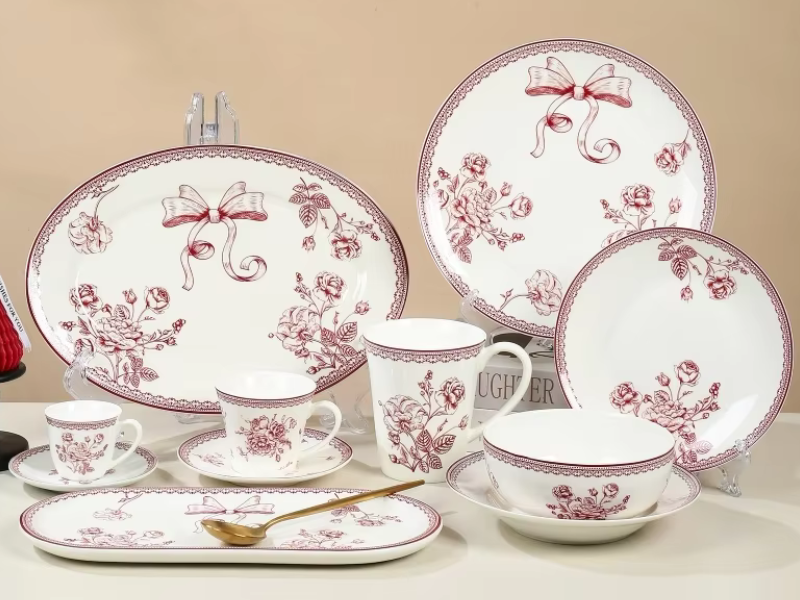
Before discussing ideas with a manufacturer or custom design pottery supplier, make an attempt to better define your needs yourself. A solid vision will give you the best chance for a successful project. For example, what is the intended use for the plates? Will they be for a fine dining experience (like a steakhouse), a hotel buffet that is used daily or an event (like a wedding) that is a once-off? The use of the plates will help give direction to almost all other decisions.
Next, focus on detail. Set some specifications about size, shape, and number of pieces you need. Would you want a classic round plate, a square plate, or a rectangular dish? What’s the timeline to get the pieces you want? Think about the texture you need. Would you want a plated ceramic that is glossied high-end finish or a trendy matte finish? Would you prefer a lightweight ceramic plate or a rustic and sturdy one? If you have reference pictures to show a manufacturer your style, that is a great idea. This would greatly help a manufacturer bridge the gap between your imagination and their understanding.
Not all ceramics are the same. Depending on the type of clay, the method of making the plate, and its decorations, the plate’s texture, style, and food serving safety, and durability can largely vary. A common choice between ceramics is stoneware and porcelain. Stoneware tends to have a rustic, natural look to it and is sturdier, but it’s also heavier. A porcelain plate, on the other hand, has a finer, whiter, and chip-resistant body that has some premium feel to it but is more fragile.
How involves equally essential if one of your designs involves color. The two types of methods are underglaze and overglaze decoration. When decorating a piece of clay using underglaze techniques, designs are etched into the clay before a final transparent glaze is applied. This final glaze seals in the design and makes it more convenient for everyday use. Overglaze is a technique used for more intricate designs and is applied after the glaze is dried and is fired again at a lower temperature. This technique allows for a greater range in color but can be more susceptible to damage over the long run. Because overglaze decoration extends the wear and heat resistance of your custom ceramic plate, discussing the available techniques and designs with your manufacturer will ensure your plate is as economical for the intended use.
Communication is essential, however, this is the part of the process where customizations are introduced and they can directly communicate your designs with the manufacturer. This is the part where the magic happens. When communicating your design ideas to the manufacturer use all the specifics you have discussed to communicate with them with your design as this will save you a lot of time and confusion later down in the process, Communication is key.
Don’t ever skip the prototype or sample stage. To determine the true color, weight, balance, and the quality of the print or hand-painting, seeing and touching a sample is the only way to go. You can make changes before bulk production and a good partner will let you do this. To make your order easier and more efficient, a manufacturer might suggest design changes. This is the only way to keep your vision and a good product. Don't skip this step to keep your disappointments to a minimum.
After samples are approved, products may move into the production stage. To begin this stage, it is very helpful to have a clear, written order of everything including the approved sample details, quantity, cost in total, payment details, and due date. Don't be in a rush, there are many steps to the process. In custom ceramic work, there is a lot of molding, firing, decorating, and glazing work. It usually takes a minimum of 45 - 60 working days, so plan level headed.
For an inspection upon delivery. Compare the delivery against your order. Then, check a proper sample of plates for the same color, the same size, and the same design. Do you see cracks, chips, or big flaws? If you are clear and thorough with your vision and communication, and inspection, you can then take the time to enjoy your bespoke ceramic plate without worry.
 EN
EN