Հուսալի աղավարդային բաset պետք է հավասարակշռի ամուրությունը ամենօրյա օգտագործման և էլեգանտությունը՝ հավաքների համար: Կերամիկան, ստոնվերը և պորսելանը յուրաքանչյուրը առաջարկում են տարբեր առավելություններ ճզմվածքների դիմադրության, քաշի և երկարակեցության տեսանկյունից՝ տարբերություններ, որոնք անմիջապես ազդում են իրական աշխարհում ծառայության տևողության վրա:
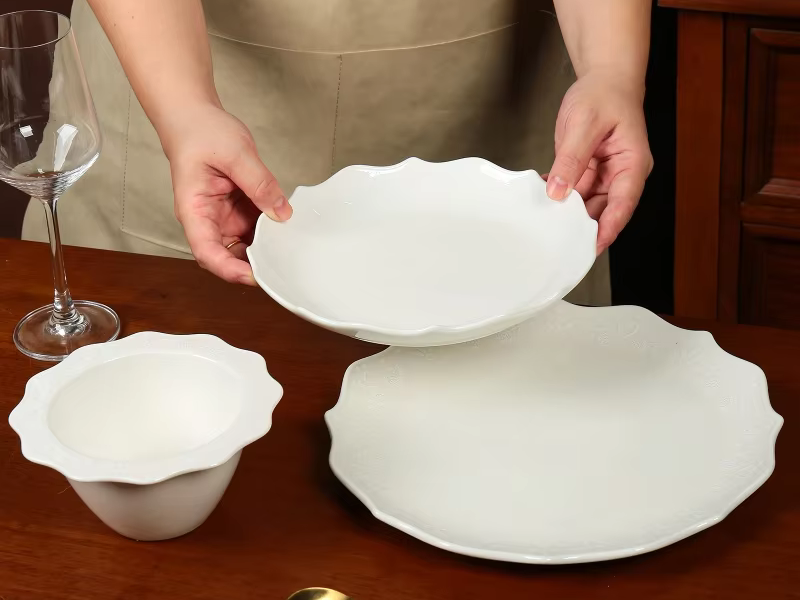
Երբ խոսքը տևական դիմացկունության մասին է, պորսելանը ակնհայտորեն առանձնանում է իր խիտ, ապակու նման կառուցվածքով, որն իրականում նախատեսված է դիմադրելու ճզմվածքներին, գծանշումներին և ջերմաստիճանի փոփոխություններին՝ նույնիսկ ամենօրյա կենսունակ խոհանոցներում: Ստեղնաշարը իր դիմացկունությամբ չի զիջում պորսելանին, թեև ավելի ծանր է, ինչը դարձնում է այն հիանալի ընտրություն ամենօրյա սննդի համար, որտեղ ամեն ինչ կարող է փոքր-ինչ բախվել: Հիմնական կերամիկական նյութերը, իհարկե, ավելի թեժ են, սակայն նրանք չունեն նույն խտությունը կամ կայուն այրման որակը, ինչպես իրենց համակիցները: Ժամանակի ընթացքում այս ավելի էժան կերամիկաները սովորաբար ճզմվում են եզրերին և կորցնում իրենց փայլուն մակերեսային ծածկույթը: Նայելով երկարաժամկետ խնայողություններին՝ պորսելանը և ստեղնաշարը հաղթում են առանց վիճարկման: Դրանք դիմանում են անհաշվերի քանակով ամանմոլորակի մեջ լցվելուն, հաշվարկված անգամ հաշվարկված սեղանի վրա սահումներին և կարող են տևել սերունդներով՝ հազիվ թե կրելով կորցրած հետքեր: Սա նշանակում է ավելի քիչ փոխարինումներ ապագայում և վերջնականապես գումար է խնայում ընդհանուր պատկերացման մեջ:
Ընտրեք ըստ կենցաղային ռիթմի՝ ֆարֆորը ապահովում է աննախադեպ բազմակողմանիություն ամենօրյա սննդի համար և ձևավոր դասավորություններ, մինչդեռ կավե ամանները գերազանցում են, երբ կշիռը և գյուղական ամրությունը առաջնահերթություն են
Երբ տեսնում ենք այդ «թույլատրված է ջեռոցում» կամ «թույլատրված է ապակեղենի լվացիչ մեքենայում» պիտակները ամանների վրա, դա իրականում նշանակում է, որ ապրանքը կարող է դիմանալ որոշակի ջերմաստիճանների՝ այլ ոչ թե ջերմային շոկի: Ի՞նչ է կատարվում, երբ մի ինչ-որ բան անմիջապես սառնարանից դառնում է տաք ջեռոց, կամ տաք հարթակից ընկնում է սառը ջրի մեջ: Այս քայքայիչ ջերմաստիճանային փոփոխությունները առաջացնում են փոքրիկ ճեղքեր, որոնք վերջապես հանգեցնում են խոշոր խնդիրների: Որոշ անկախ լաբորատորիաներ իրականում փորձարկել են այս ապրանքները, և ստացված արդյունքները բավականին ցուցչային էին: Միայն որոշ նյութեր, ինչպիսիք են ծանր կավե ամանը կամ կեղարկված և ամրացված պորսելանը, սովորաբար դիմանում են այս տեսակի լարվածության փորձարկումներին: Արտադրողների ասածին վստահելը կարող է հետևանքներով լինել: Պոնեմանի ինստիտուտի վերջերս իրականացված ուսումնասիրությունը վերլուծեց, թե որքան հաճախ են մարդիկ փոխարինում ջարդված ամանները այս ջերմաստիճանային խնդիրների պատճառով, և ի՞նչ է պարզվել. միայն ընտանիքների կորուստների ծախսերը տարեկան հասնում են մոտ 740,000 դոլարի: Այսպիսով, հաջորդ անգամ, երբ սեղանի աման գնելու պատրաստվեք, ընտրեք այն ապրանքները, որոնք իրական ջերմային փորձարկումներ են անցել, այլ ոչ թե պարզապես համապատասխանում են նվազագույն չափանիշներին: Սա էական տարբերություն է անելիս՝ արդյոք հանկարծակի ընթրիքներ կազմակերպելիս, արդյոք ամենօրյա խոհանոցային պահանջներ կատարելիս:
Լավ հարմարվողական դիզայնը սկսվում է այն ժամանակ, երբ մարդը իրականում մտածում է իր ցանկալիի մասին: Սպիտակավուն երանգներ, տաք մոխրագույն երանգներ և այդ նուրբ երկրագույն գույների նման չեզոք հիմքերը հիանալի են ֆոնային տարրերի համար, որոնք հնարավորություն են տալիս մարդկանց հեշտությամբ ձևավորել իրենց սեղանները՝ անկախ նրանից, թե նրանք արտաքին կերակուր են վերցնում, թե հյուրասիրում են հարուստ ընթրիքի: Ոչ միայն մեր կարծիքն է սա, այլև տնային հյուրընկալության վերջերս հրապարակված զեկույցի համաձայն՝ հաճախադեպ հյուրընկալողների մոտ երեք քառորդը նշում են, որ ճկուն սեղանի կազմակերպումներ ունենալը շատ ավելի հեշտ է դարձնում կյանքը սեղան սարքելու օրերին և նվազեցնում է հոգնածությունը: Նախշերի դեպքում փորձեք մոդուլային լինել, սակայն պահպանեք պարզությունը: Փորձեք երկրաչափական ձևեր, որոնք չափազանց համարձակ չեն, բնական տեսք ունեցող տեքստուրներ կամ շերտեր, որոնք հարմարվողական են իրար հետ: Խառնեք պարզ ճաշի սկահակները փոքր-ինչ նախշավոր աղցանի ամանների կամ հետքեր ունեցող ամանների հետ՝ խորություն ստեղծելու և միջոցառումները հատուկ զգացողություն տալու համար՝ առանց ամեն ինչ համապատասխանեցնելու: Եվ հիմա մի հետաքրքիր փաստ. մեծամասնության տներում կա միայն մեկ կամ երկու ամբողջական սեղանի ամանների հավաքածու: Այսպիսով՝ այս մոտեցումը շատ լավ է աշխատում, քանի որ չի պահանջվում առանձին ամենօրյա ամաններ և հյուրերի համար հարուստ ամաններ, որոնք տարբեր կողպերում փոշի են հավաքում:
Ոսկու, պլատինի և սեղմված պղնձի ակցենտները իսկապես բարձրացնում են խոհանոցային պարագաների տեսքը, սակայն ամենօրյա օգտագործման դեպքում որոշ իրական թերություններ ունեն: Durability Lab-ի փորձարկումները ցույց են տալիս, որ մետաղական եզրերով ամանները սովորական ապակուց ամանների համեմատ մոտ երեք անգամ ավելի արագ են ճեղքվում՝ անցնելով սովորական ամանեղենի լվացման ցիկլեր: Այն, ինչ շատ ավելի լավ է աշխատում, այն մատե մետաղական ծածկույթներն են, որոնք կիրառվում են պաշտպանիչ շերտի տակ: Այս վերջիններս կրկնվող լվացումների ընթացքում շատ ավելի երկար են տևում: Այս հարուստ ամաններից առավելագույնս օգտվելու համար՝ առանց անընդհատ խնամքի, խելացի մարդիկ դրանք օգտագործում են միայն հատուկ առիթների համար՝ ամենաշատը ամսեկան ոչ ավելի, քան հինգ անգամ: Ցանկացած տեսանելի մետաղական մասեր ունեցող իրերի համար անհրաժեշտ է ձեռքով լվացում: Սովորական ճաշերի համար մտածեք այդ զարդարված ամանները որպես սպասքի սկամուկներ կամ քաղցրավենիքների համար օգտագործել, որտեղ սպասքի և դանակների հետ շփվելը նվազեցված է: Այս մոտեցումը հետևող մարդիկ նկատում են, որ նրանց զարդարված ճաշի ամանները մնում են մոտ 40 տոկոսով ավելի երկար, քան ընտանիքները, ովքեր փորձում են ամեն օր օգտագործել այս գեղեցիկ, սակայն փխրուն ամանները:
Շատ հաճախ մենք գնում ենք այն իրերը, որոնք շուկայավարման ազդեցության տակ ենք ընկնում, սակայն դրանք միշտ չէ, որ համապատասխանում են մարդկանց իրական կյանքում օգտագործման ձևին: Վերցրեք, օրինակ, այսպես կոչված «5 իրով հավաքածուները», որոնք սովորաբար ներառում են ճաշի ափսե, աղցանի ափսե, աման, բաժակ և սկահակ: Նրանք նախատեսված են մեկ անձի համար, սակայն ճիշտն ասած՝ շատերն անգամ չեն օգտագործում սկահակի մասը: Ըստ 2024 թվականի «Տնային միտումների զեկույցի», ընդամենը մոտ 27% ընտանիքներ է, որ շաբաթական օգտագործում են սկահակներ: Զույգերը սովորաբար ավելի մեծ արժեք են գտնում 12 իրով հավաքածուներում՝ չորսական ճաշի ափսե, աղցանի ափսե և ամաններով: Դրանք հնարավորություն են տալիս սովորական ճաշեր պատրաստել երկուսի համար և հյուրերի համար տեղ թողնել՝ առանց ավելորդ իրեր ձեռք բերելու: Իսկ ավելի մեծ՝ 16 իրով հավաքածուների դեպքում, դրանք իմաստ ունեն միայն չորս և ավելի անդամներ ունեցող ընտանիքների կամ հաճախ հյուրեր ընդունող մարդկանց համար: Սակայն ահա թե ինչ է կարևորը՝ պահեստավորման տարածքը շատ մեծ նշանակություն ունի: Քաղաքային բնակարաններում սովորաբար սեղանի պարագաների պահեստավորման համար նախատեսված է միայն 2,3 քառ. ոտնաչափ տարածք: Մարդիկ նաև հակված են ավելի շատ գնել: Վիճակագրությունը ցույց է տալիս, որ 60%-ը կիսամյա ընթացքում ապաշխարում է այն բանի համար, որ շատ բան է գնել: Ի՞նչն է ավելի խելամիտ մոտեցումը. Ձեր գնումը համապատասխանեցրեք այն տեղերի թվին, որոնք դուք իրականում սահմանում եք ճաշի ժամանակ: Ընտրեք այնպիսի համակարգեր, որոնք կարող են աճել անհրաժեշտության դեպքում, օրինակ՝ ավելացնելով լրացուցիչ ամաններ կամ քաղցրավենիքի ափսեներ ավելի ուշ, այլ ոչ թե միանգամից ամեն ինչ գնել և թողնել, որ դրա կեսը փոշի հավաքի:
| Կոնֆիգուրացիա | Իդեալական տնային տնտեսության չափ | Չօգտագործվող ապրանքի հաճախադեպություն |
|---|---|---|
| 5 հատ | Անձներ | 42% (ափսեներ) |
| 12 հատ | Զույգեր + 2 հյուր | 18% (հատուկ բաժակներ) |
| 16 հատ | Ընտանիքներ 4+ | 11% (ապուրի ամաններ) |
Այն, թե որքան լավ է պահպանվում ամենօրյա խնամքի դեպքում, մեզ ցույց է տալիս, թե արդյոք սեղանի պարագաների հավաքածուն իրոք կարող է կիրառվել և՛ խոհանոցում, և՛ ճաշասրահում: Երբ արտադրողները նշում են «լվացամիջոցով լվացման համատեղելի», դա նշանակում է տարբեր բաներ՝ կախված օգտագործված նյութից: Քարե ամանը համեմատաբար շատ ավելի լավ է դիմանում հզոր ջրի շիթերին ու կոշտ լվացամիջոցներին, քան սովորական կերամիկական ամանը: Սակայն մի մոռացեք նաև սառցապատման որակի մասին: Լավ սառցապատումը նույնքան կարևոր է, որքան հիմնական նյութը, երբ խոսքը գալիս է սուրճի օղակների, կորի աղտոտման կամ կարմիր գինու բծերի մասին, որոնք հաստատվում են ամուր: Իսկ խոսելով ջերմաստիճանի դիմադրության մասին, միկրոալիքային վառարանում օգտագործման անվտանգությունը շատ կախված է այն բանից, թե ինչից է պատրաստված ամանը: Ամբողջությամբ վիտրիֆիկացված ֆարֆորը ջերմությունը հավասարաչափ է բաշխում՝ առանց տաք կետերի, ուստի այն հիանալի աշխատում է միկրոալիքային վառարանում: Սակայն զգույշ եղեք ցանկացած մետաղական ձևավորումների նկատմամբ՝ անկախ նրանց չափերից: Ոսկու նույն ամենափոքր ծածկույթը կարող է առաջացնել կայծեր կամ ավելի շատ տաքացման խնդիրներ, ինչը նշանակում է, որ այս պատկերավոր ապրանքները ամենևին էլ չպետք է օգտագործվեն միկրոալիքային վառարանում: Եթե մենք ցանկանում ենք, որ մեր սեղանի պարագաները ծառայեն շատ ճաշերի և լվացումների ընթացքում, այս մանրամասներին ուշադրություն դարձնելը մեծ տարբերություն է կազմում:
Իրական աշխարհում վավերացումն անհրաժեշտ է. 50 ստանդարտ ամանեղենի լվացիչ ցիկլներից հետո կեղծ ապակին 30%-ով պակաս է ճեղքվում, քան հիմնական կերամիկան, իսկ անթափանց, լիարժեք ծածկույթները տեսանելի կեղտոտվածությունը նվազեցնում են 45%-ով համեմատած թափանցելի կամ ճեղքված ծածկույթների հետ: Առաջնահերթություն տվեք այն հավաքածուներին, որոնք փորձարկված են՝ ոչ թե պարզապես պիտրելված են ջերմային ցնցումների դիմադրության և ամենօրյա մաքրման միջոցների քիմիական դիմադրության համար:
 EN
EN